By the Duncans, IM missionaries in Ecuador
One of the challenges of cross-cultural ministry is learning how to assess the depth of discipleship in those we are working with on the field. Navigating the layers of behaviors, beliefs, values, and worldview is complicated by both language and non-verbal cultural assumptions (what goes without being said).
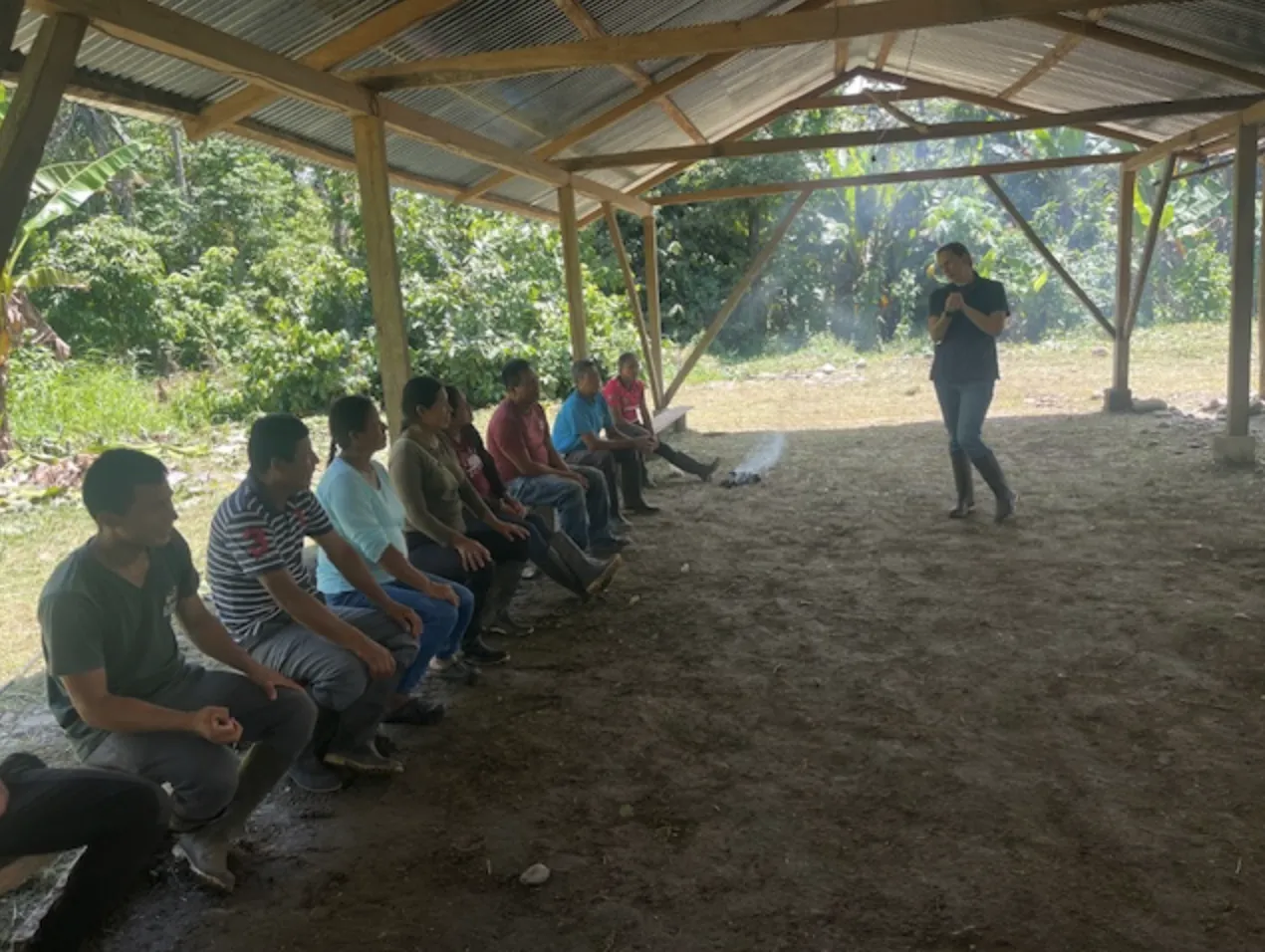
We recently encountered this in the Verde Cocha community. In 2025, we began working with an Ecuadorian church planter, Cesar, to create an intentional discipleship plan. After establishing an alternating week teaching pattern, we observed a lack of application of the biblical principles we had been teaching, and after further investigation, a lack of retention of the information.
At first, this was demoralizing. Cesar has been working in this community for four years. While the people are always friendly and attendance has remained stable, the lack of growth (especially leadership development) is a cause for concern.
Our first attempt to rectify this was to roll out a D6 Family Ministry (based on the principles of Deuteronomy 6) modeled combination of sermon, adult Bible study, and kids’ Bible study addressing the same themes. Despite the intention of implementing a family-aligned learning and Bible reading, after two months, we recognized that an unintended obstacle was that we were using a reading-intensive approach in a largely pre-literate community.
After multiple meetings with Cesar and his son, and continued learning about how history and cultural expectations are taught to the next generation, we began a more intentional Kichwa study and tapped into the collective wisdom of our support network. We pivoted to a much more interactive and story-based approach to the sermon, and we revisited the Bible study materials in a way designed to incorporate cooperation, scripture memorization, and increase biblical literacy.
Along the way, we learned several important lessons about discipleship.
First, constant assessment of the actual learning of our listeners is vital. Otherwise, we are talking at them, not making disciples.
Second, not only can our listeners teach us what they are learning, they can teach us how to teach.
Third, small pivots, like asking culturally appropriate questions about how the community addresses concerns or problems, often offer great insight into how the Gospel resonates within another culture. (See “Eternity in their Hearts” by Don Richardson).
Finally, it is vital that you love your people more than your teaching. The temptation of pride is real and subtle. It creeps into our speech and thoughts. Many times, when we are frustrated with the lack of change in the folks we are working with, the fault is that we have fallen in love with the material (and our delivery of it) more than the people we are called to serve.
One of my favorite quotes is from the 2025 Free Will Baptist National Convention. It was, “Love the ones you find, not the ones you wanted to find.” This reminder that while we were enemies (lost, hurting, and hostile), God sent his Son for us and to us. He took on flesh and lived with us and had compassion on us. With that in mind, how can we do less than “become all things to all men that I might win some to the cause of Christ” (1 Corinthians 9)?